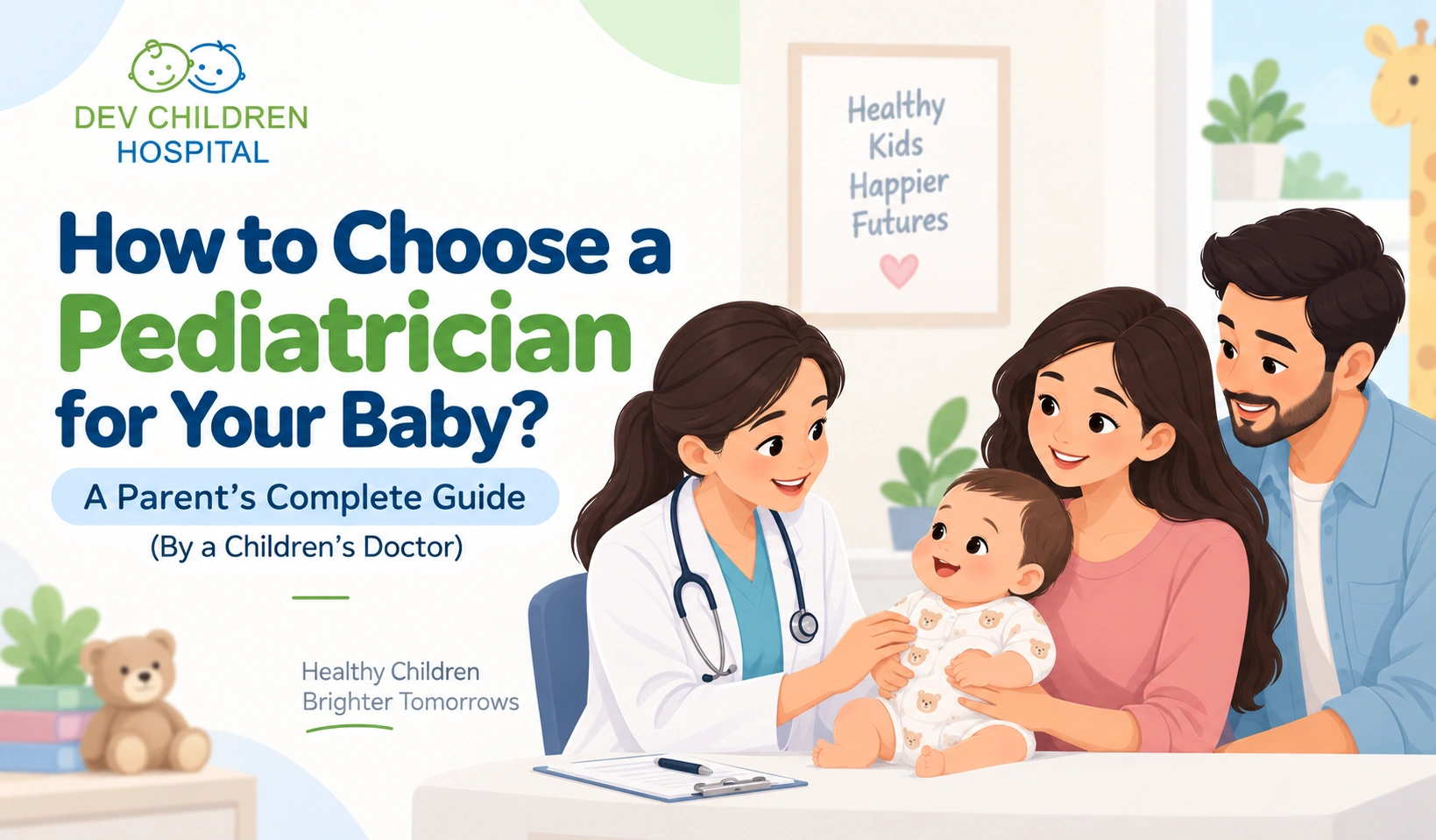
Bringing a baby home is filled with excitement, new responsibilities, and plenty of questions. One of the most important decisions parents can make early in this journey is knowing how to choose a pediatrician who can provide reliable care as their baby grows.
Your pediatrician may become the doctor you turn to for newborn checkups, vaccinations, feeding concerns, growth monitoring, developmental questions, common childhood illnesses, and guidance when something about your baby does not seem right. The American Academy of Pediatrics (AAP) recommends that parents consider practical factors such as office hours, communication, after-hours arrangements, costs, and whether they feel comfortable with the pediatrician and the practice.
For parents searching for a pediatrician for baby care, the decision does not have to be complicated. By asking the right questions and looking beyond convenience alone, you can make a more informed choice for your family.
Why Is It Important to Choose a Pediatrician Early?
Newborns need careful attention during the first weeks and months of life. WHO describes essential newborn care as including assessment of health problems, feeding support, infection prevention, recognition of danger signs, and timely referral when necessary.
Having a pediatrician selected before or soon after birth means you already know whom to contact when questions arise.
A newborn pediatrician or primary pediatrician can become an important source of guidance for:
- Newborn checkups
- Feeding and nutrition concerns
- Weight and growth monitoring
- Vaccinations
- Developmental monitoring
- Common childhood illnesses
- Preventive healthcare
- Questions about sleep and behavior
- Deciding when a baby needs urgent medical attention
The AAP also recommends that parents ask when the first checkup will take place, how frequently the baby will need visits, and how the practice handles questions outside normal office hours.
This is why choose a pediatrician should ideally be part of your preparation before your baby’s arrival rather than a decision made only when the child becomes unwell.
How to Choose a Pediatrician for Your Baby
There is no single pediatrician who will be the right choice for every family. Your priorities may include location, communication, newborn experience, hospital access, availability, and preventive care.
Here are the factors worth considering.
1. Check the Pediatrician’s Qualifications
The first step when you choose a pediatrician is to understand their education, pediatric training, qualifications, and professional experience.
Pediatric medicine requires specialized knowledge of children’s health because babies and children are not simply small adults. Their growth, development, medication requirements, symptoms, and medical needs can differ substantially from those of adults.
You can also read Dev Children Hospital’s existing guide on how to choose a child specialist for additional considerations when evaluating a children’s healthcare professional.
Qualifications are important, but they are only one part of the decision. A doctor’s communication style and the accessibility of the practice also matter.
2. Look for Experience With Newborns and Infants
When selecting a pediatrician for baby care, ask about the doctor’s experience with newborns and young infants.
The newborn period can bring questions about feeding, weight, jaundice, sleep, stools, skin changes, and other concerns. A doctor who routinely cares for newborns should be comfortable discussing these issues and recognizing situations that require further assessment.
If your baby was born prematurely, had a low birth weight, or has a known medical condition, ask how the pediatrician coordinates care with other specialists when necessary.
For parents who want to understand more about early infant services, the Newborn Care page provides information about newborn-focused care at Dev Children Hospital.
3. Pay Attention to Communication
A pediatrician can have excellent qualifications, but parents also need to feel comfortable communicating with them.
When you choose a pediatrician, consider whether the doctor:
- Listens carefully
- Explains medical information clearly
- Answers questions patiently
- Takes parental concerns seriously
- Explains what parents should watch for at home
- Gives practical instructions
- Encourages appropriate follow-up
The AAP specifically recommends that parents consider whether they are comfortable with the pediatrician’s philosophy and whether their questions and concerns are handled compassionately.
This is particularly important with a baby doctor, because parents may have many questions during the first year.
4. Ask How the Practice Handles After-Hours Concerns
Babies do not always become unwell during office hours.
Before you choose a pediatrician, ask:
- Who should you contact after the clinic closes?
- Is there an on-call doctor?
- What happens during weekends and holidays?
- How are urgent concerns assessed?
- When should parents go directly to an emergency department?
- Who covers the pediatrician when they are unavailable?
The AAP recommends asking these practical questions before selecting a pediatrician.
Knowing the answer beforehand can reduce uncertainty when your baby develops a concern outside normal clinic hours.
5. Consider Hospital Access
Hospital access is another factor parents should discuss when they choose a pediatrician.
Ask where the doctor can provide or coordinate hospital care and what happens if your baby requires admission, specialist assessment, or more intensive monitoring.
This becomes particularly important for newborns or children with medical conditions that may require additional support.
For families looking at hospital-based pediatric services, you can explore Dev Children Hospital’s Pediatric OPD to understand the outpatient pediatric care available.
6. Ask About Routine Checkups
Pediatric care is not only about treating illness.
Routine visits allow a newborn pediatrician or pediatrician to follow your baby’s growth and development and discuss preventive care. Depending on your baby’s age and health, visits may involve:
- Weight and length monitoring
- Head circumference
- Feeding
- Developmental milestones
- Immunization
- Nutrition
- Sleep
- Safety
- Parent concerns
The AAP’s guidance on finding a pediatrician explains that babies require multiple checkups during the first year, with additional visits whenever there is a health concern or illness.
When you choose a pediatrician, ask how the practice schedules well-child visits and how parents can arrange additional appointments when concerns arise.
For parents preparing for their baby’s early health journey, the AAP’s newborn checkup checklist provides useful information about what may be discussed during an early visit.
7. Check Vaccination Services
Vaccination is an important component of preventive child healthcare.
Before you choose a pediatrician, ask whether vaccinations are available at the practice, how appointments are scheduled, and how parents are reminded about upcoming doses.
You can also review the hospital’s Baby Vaccination service page when planning your child’s preventive healthcare.
WHO identifies immunization and timely care during illness among the factors that contribute to healthy childhood development.
8. Evaluate the Clinic Environment
The pediatrician is important, but so is the overall clinic experience.
When you visit, consider whether:
- The environment is clean and organized.
- Staff communicate respectfully.
- Appointment scheduling is straightforward.
- The waiting area is appropriate for children.
- Parents receive clear instructions.
- The clinic has a process for urgent appointments.
A supportive environment can make regular visits more comfortable for both parents and children.
9. Understand Fees and Other Practical Details
Healthcare costs are another practical consideration.
Before you choose a pediatrician, ask about:
- Consultation fees
- Follow-up charges
- Vaccination costs
- Emergency or after-hours consultations
- Payment methods
- Insurance arrangements, where applicable
The AAP recommends asking about costs, billing arrangements, and charges for different types of visits before choosing a pediatrician.
Understanding these details in advance can help avoid confusion later.
10. Think About Whether You Trust the Doctor
Perhaps the most personal part of deciding how to choose a pediatrician is asking yourself how comfortable you feel with the doctor.
After meeting the pediatrician, ask yourself:
- Did I feel heard?
- Were my questions answered clearly?
- Did the doctor explain things in language I understood?
- Would I feel comfortable discussing a sensitive concern?
- Did the doctor take time to understand my baby’s needs?
- Did the clinic staff treat us respectfully?
Trust does not mean expecting a doctor to agree with every concern. It means having a professional relationship where questions can be discussed openly and medical recommendations can be understood.
The AAP similarly advises parents to consider whether they feel comfortable with the pediatrician, the staff, the office environment, and the way their concerns are handled.
Questions to Ask Before You Choose a Pediatrician
A short conversation before selecting your child’s doctor can be extremely useful.
Consider asking:
- How soon should my baby have the first checkup?
- How often will my baby need routine visits?
- What happens during a newborn examination?
- How can I contact the clinic with routine questions?
- Who handles concerns after office hours?
- Which hospital does the pediatrician work with?
- Are vaccinations available at the clinic?
- How are growth and development monitored?
- How are specialist referrals handled?
- What are the consultation and vaccination charges?
The AAP’s Finding a Pediatrician guidance also recommends asking about office hours, communication, after-hours arrangements, costs, checkups, and whether you feel comfortable with the pediatrician.
Should You Meet the Pediatrician Before Your Baby Is Born?
For many families, meeting the doctor before delivery can be useful.
A prenatal meeting gives parents an opportunity to discuss their expectations and understand how the pediatric practice works. It can also help answer practical questions before the baby arrives.
If you are trying to choose a pediatrician during pregnancy, consider making a shortlist and asking each practice similar questions. This makes it easier to compare practical factors rather than making the decision based only on reputation or location.
The AAP specifically recommends arranging a personal interview with prospective pediatricians during the final months of pregnancy when possible.
What Makes a Good Pediatrician for Baby Care?
A good pediatrician for baby care should be able to provide appropriate preventive care while also helping parents understand what to expect as their child grows.
Important qualities include:
Good Communication
Parents should understand what the doctor is explaining and know when to seek further care.
Appropriate Pediatric Experience
The doctor should have appropriate training and experience caring for infants and children.
Accessibility
Parents should know how to arrange routine appointments and what to do when an urgent concern develops.
Preventive Focus
Regular growth monitoring, immunization, developmental assessment, nutrition, and safety guidance are important parts of pediatric care.
Willingness to Coordinate Care
When a baby needs additional expertise, the pediatrician should be able to coordinate appropriate specialist care.
WHO emphasizes that quality health services, preventive care, timely treatment, and appropriate referral are important components of helping children survive and thrive.
Common Mistakes Parents Make When Choosing a Pediatrician
Choosing Only Because the Clinic Is Nearby
Location is useful, particularly when you have a newborn, but it should not be the only consideration.
Looking Only at Online Reviews
Reviews can provide context about a clinic experience, but they cannot fully tell you whether a doctor’s communication style and approach will suit your family.
Forgetting to Ask About After-Hours Care
This is one of the most practical questions to answer before your baby becomes sick.
Not Asking About Hospital Arrangements
Knowing where to go if your baby requires hospital evaluation can be important.
Waiting Until Your Baby Is Unwell
It is generally easier to establish a relationship with a newborn pediatrician or pediatrician before an urgent situation occurs.
Being Afraid to Ask Questions
Parents should not hesitate to ask questions about their baby’s health. A pediatric consultation should provide an opportunity to discuss concerns and understand the next steps.
How to Choose a Pediatrician: A Simple Checklist
Before finalizing your decision, check whether you have answers to these questions:
- Pediatric qualifications checked
- Experience with newborns discussed
- First checkup timing understood
- Routine visit schedule discussed
- Vaccination services confirmed
- After-hours arrangements understood
- Hospital access checked
- Specialist referral process understood
- Consultation costs discussed
- Communication options understood
- Clinic environment assessed
- You feel comfortable asking questions
This checklist can make the process of how to choose a pediatrician much more straightforward.
When Your Baby May Need Specialized Pediatric Care
Most babies can receive routine care through their primary pediatrician. However, some babies may require additional medical support.
Examples can include babies born prematurely, babies with low birth weight, babies with congenital conditions, or children who require specialist evaluation.
WHO notes that newborn care should include recognition of health problems and timely referral when needed.
If additional care is required, a baby doctor may coordinate with pediatric specialists or hospital teams rather than managing every issue alone.
For families who need hospital-based newborn services, Newborn Care provides information about the services available at Dev Children Hospital.
Trusted Pediatric Care at Dev Children Hospital, Vadodara
Choosing your child’s doctor is a personal decision, and parents should consider their baby’s needs alongside the practical requirements of their family.
Dev Children Hospital, Vadodara, provides pediatric care for newborns, infants, and children up to 18 years, with services including pediatric outpatient care, newborn care, vaccinations, growth monitoring, and pediatric emergency care.
Parents can explore the hospital’s Pediatric OPD, Newborn Care, and Baby Vaccination services to understand the available areas of pediatric care.
You can also explore the hospital’s Our Services page for an overview of pediatric services.
For parents preparing for their baby’s early health journey, having a pediatrician they can communicate with, access when needed, and trust with ongoing preventive care can make the experience more organized and reassuring.